
Integrating Music into Preschool Daily Routines
Share this post
Music and routines for preschool children
Music can be a powerful tool when used intentionally to strengthen daily routines, particularly in early education settings. Previous research has drawn upon findings within this area, uncovering that when musical cues are woven into daily transitions through songs or simple rhythm, children develop a stronger sense of security, predictability and stability within various routines.
Specifically within the population of preschoolers, findings suggest that music significantly boosts social-emotional learning surrounding routines, highlighting that music does not need to be utilised in isolation.
Rather it can become a natural part of day-to-day proceedings, thus enriching transitions, and supporting children’s emotional, social, and developmental growth in a simple yet meaningful way.
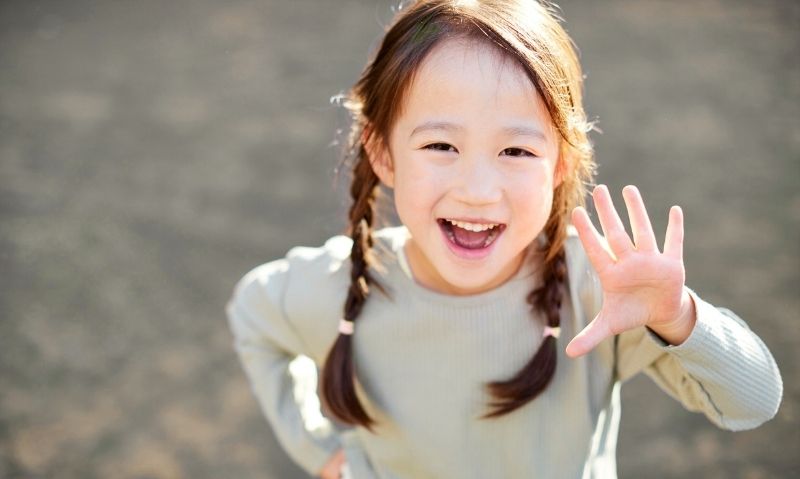
Using personalised greeting songs to help children feel seen and connected.
How to implement:
- Transitions – Use a consistent set of songs to transition between activities as this builds familiarity. Incorporate simple gestures such as clapping to beat to further provide rhythmic stability.
- Greetings – Utilise a personalised hello/goodbye song that incorporates each child’s name. Encourage the children to wave, clap and greet their peers throughout the musical experience.
- Emotional regulation – Ensure songs chosen for emotional regulation are grounding and incorporate predictable melodies. Offer sensory friendly instruments for self soothing such as rainsticks or ocean drums.
- Quiet time – Play soft instrumental or lullaby style music to signal quiet or rest time. Dim the lights of the space to provide a sensory environment that matches the music.
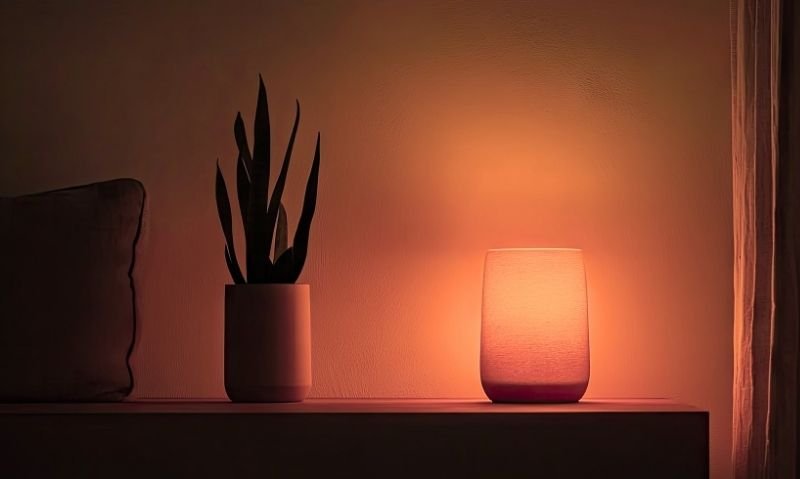
Soft instrumental or lullaby music, paired with dimmed lighting, creates a calming environment that helps children unwind, feel safe and develop early self-regulation skills.
How to implement:
Top 5 Practical Tips:
- Use the same songs for the daily routines to ensure there is a sense of consistency.
- Keep songs short, simple, and repetitive. Preschoolers respond best to familiar and predictable melodies.
- Match the tempo of the song to the children’s needs e.g. upbeat music for energising and calm music for quieter times.
- Include musical movements or gestures to support further and create musical memory associated with routines.
- Allow the children to experiment with the cues e.g. inviting them to choose appropriate instrumentation.
References:
Denac, O., Mohorko Germ, I., & Žnidaršič, J. (2025). Encouraging social and emotional learning in preschool children through carrying out musical activities in the daily routine. Center for Educational Policy Studies Journal, 15(2). https://doi.org/10.26529/cepsj.2013
Addessi, A. R. (2009). The musical dimension of daily routines with under‐four children during diaper change, bedtime and free‐play. Early Child Development and Care, 179(6), 747–768. https://doi.org/10.1080/03004430902944122


